Our Training Courses in Chesterfield
At New Perceptions Training, we deliver a wide range of professional training courses in Chesterfield, supporting individuals and organisations across healthcare, education and workplace environments. All courses are delivered by an experienced registered nurse, ensuring training is practical, compliant and grounded in real-world clinical experience.
Our courses are designed to build confidence, improve safety and support regulatory compliance, with flexible delivery options available at our training centre or at client premises.
Our Accredited and Professional Training Courses
Our courses are grouped into clear training categories, making it easy to identify the most relevant option based on your role, responsibilities and workplace requirements. Each course focuses on practical learning, clear outcomes and recognised standards where applicable.
These courses form part of our wider training services, designed to support workplace safety, compliance and professional development.
First Aid Training Courses
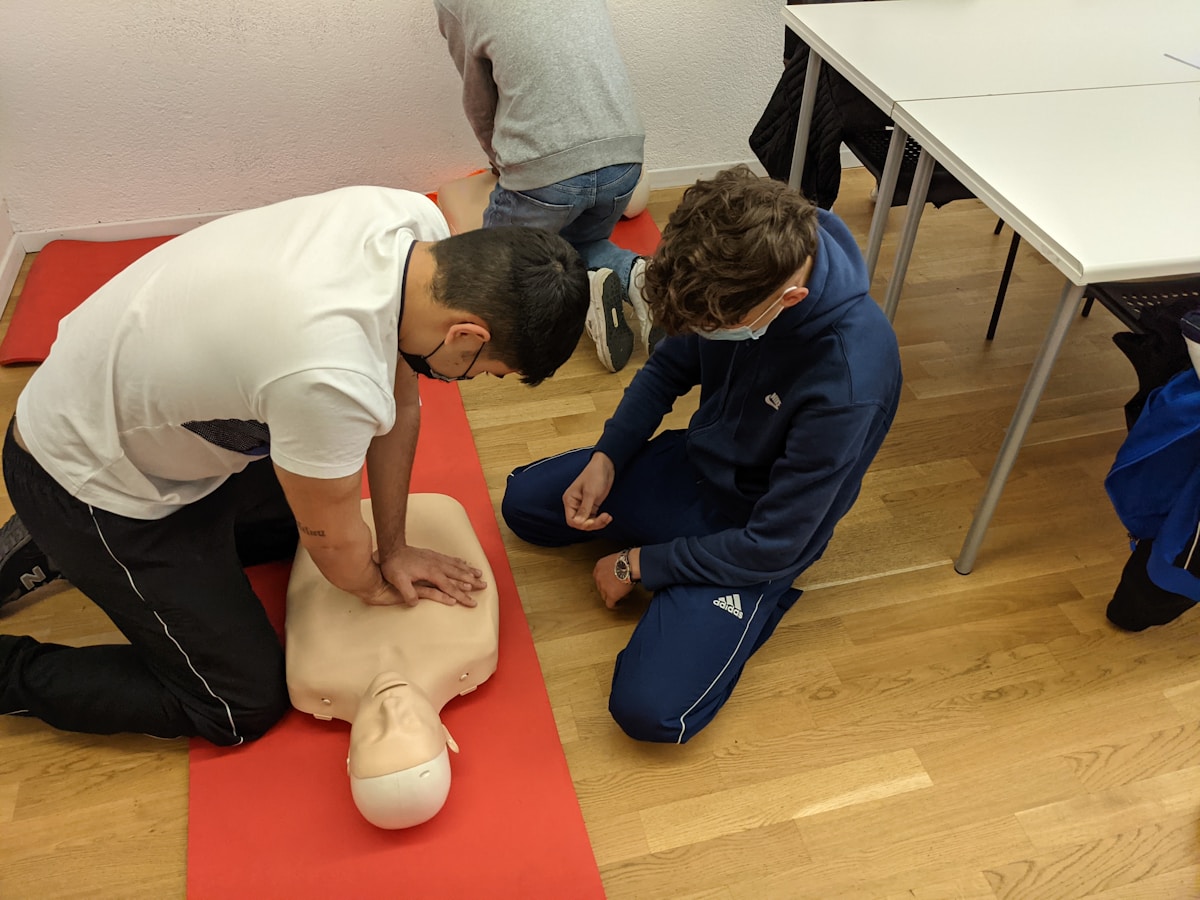
First aid training forms a core part of our course offering and supports organisations that require effective emergency response skills within the workplace, education or care settings.
Our first aid courses include:
Emergency First Aid at Work (1-Day)
First Aid at Work (3-Day)
Paediatric First Aid
Basic Life Support
These courses focus on developing the knowledge, practical skills and confidence needed to respond appropriately to medical emergencies, injuries and accidents.
Acquired Brain Injury Awareness
The Acquired Brain Injury Awareness course provides learners with a clear understanding of the nature and impact of brain injuries, supporting those who work with or care for individuals affected by traumatic and non-traumatic brain injury.
Course content includes:
Defining and describing the types of Acquired Brain Injury
Identifying common causes of brain injury
Distinguishing between traumatic and non-traumatic brain injuries
Gaining a basic understanding of brain anatomy
Recognising symptoms and behavioural changes
Discussing acute and long-term management strategies
Understanding the roles of healthcare professionals involved in care
This course is ideal for staff working within the care sector who support individuals with brain injuries and wish to improve their confidence and understanding.
Epilepsy Awareness
The Epilepsy Awareness course helps learners understand epilepsy and how it may affect individuals in the workplace or care environment.
Topics covered include:
What epilepsy is and its prevalence in the UK
Causes, symptoms and diagnosis
Understanding seizures and their main types
How epilepsy is treated
Common epilepsy medications and their side effects
Implementing epilepsy awareness measures in the workplace
This course supports safer, more informed responses to epilepsy related situations.
People Movers Moving and Handling Training
This course focuses on safe moving and handling practices, helping to reduce the risk of injury to both staff and those in their care.
Training covers:
Manual handling legal requirements
Understanding how injuries occur during manual handling
Principles of safe moving and handling
In-house policies and risk assessments
Practical training and competency assessment of workplace manoeuvres
This training is particularly relevant within healthcare, care and support environments.
Medication Awareness
The Medication Awareness course supports staff who are involved in handling, administering or managing medication as part of their role.
Course content includes:
Legislation affecting medication administration
Safe storage and accurate record keeping
Understanding different types of medication
Following protocols when receiving, storing and recording medicines
Recognising common adverse reactions
Understanding differences in medication procedures across healthcare settings
Fire Safety and Fire Marshal Training
This course provides essential knowledge for staff with fire safety responsibilities in the workplace.
Key learning areas include:
Fire safety obligations for employers and employees
Actions to take in the event of a workplace fire
Identifying the correct fire extinguisher for different fire types
Understanding how fires start and spread
Reducing fire risks at work and at home
Understanding the duties of a fire marshal
Course Delivery in Chesterfield
Courses can be delivered at our Chesterfield training centre or on-site at client premises, depending on operational requirements. Small group sizes ensure learners receive individual support and opportunities for discussion and practical learning.
This flexible approach allows organisations and individuals to access high-quality training without unnecessary disruption.
Frequently Asked Questions
Do your courses meet recognised standards?
Who are your courses suitable for?
Where are courses delivered?
Do you offer workplace or group training?
Enquire About Training Courses in Chesterfield
If you would like to discuss course availability, group bookings or training requirements, New Perceptions Training is here to help.
Get in touch today to speak with an experienced trainer and find the most suitable course for your needs.